The shift towards cloud-based development environments represents one of the most significant transformations in software engineering practices over the past decade. Among these innovations, Web-based Integrated Development Environments, or WebIDEs, have gained substantial traction. These platforms allow developers to write, test, and deploy code entirely through a web browser, eliminating the need for powerful local machines and complex setup processes. Companies are increasingly adopting these solutions to enhance collaboration, streamline workflows, and reduce onboarding time for new developers. However, this migration to the cloud is not without its challenges, with security emerging as the paramount concern for organizations entrusting their intellectual property and development pipelines to third-party services.
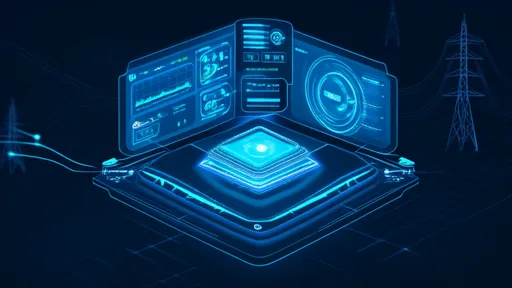
At the core of any WebIDE security discussion is the architecture itself. Unlike traditional local IDEs, where the entire toolchain resides on a developer’s physical machine, a WebIDE operates within a remote environment. The client—the developer's browser—is essentially a thin client connecting to a powerful remote server that hosts the actual development workspace. This server, often running in a container or a virtual machine, is where the code is executed, built, and sometimes even deployed. This fundamental separation of the user interface from the execution environment is the source of both its immense flexibility and its most critical security vulnerabilities. The entire security model hinges on the integrity of this remote connection and the isolation of these remote workspaces.
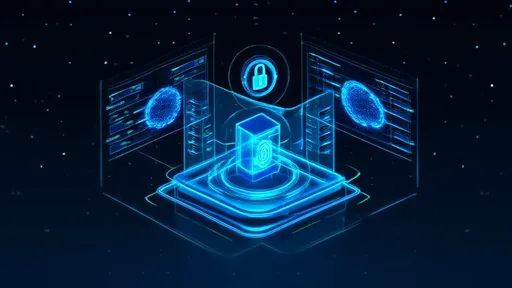
A primary security layer is the authentication and authorization mechanism. Robust identity management is the first gatekeeper. Most enterprise-grade WebIDEs integrate with existing corporate single sign-on (SSO) providers, ensuring that access is governed by the same strict policies applied to other internal systems. Multi-factor authentication (MFA) is no longer a luxury but a necessity, providing a critical barrier against credential theft. Once a user is authenticated, fine-grained authorization controls determine what they can do within their workspace. This includes permissions to access specific repositories, run certain commands, or connect to external services like databases or cloud APIs. A breach in these controls could grant an attacker access to proprietary codebases or sensitive infrastructure.
The concept of workspace isolation is arguably the most technically complex and vital aspect of WebIDE security. Each developer's session must be rigorously isolated from all others. This is typically achieved using containerization technologies like Docker or lightweight virtual machines. The security of the entire platform depends on the strength of these isolation boundaries. A container breakout vulnerability, where code executed within a container can access the host system or other containers, would be catastrophic. Providers must relentlessly patch their underlying host systems and container runtimes and often employ additional security layers like gVisor or Kata Containers to reinforce these boundaries and provide a second line of defense.
Data security, both in transit and at rest, is non-negotiable. All communication between the user's browser and the remote workspace must be encrypted using strong, up-to-date TLS protocols. This prevents man-in-the-middle attacks from eavesdropping on the code being written or the commands being executed. Equally important is the encryption of data at rest. The source code and any other sensitive data residing on the remote servers’ disks should be encrypted. The management of the encryption keys for this data is a critical decision; some organizations may insist on holding their own keys to maintain absolute control, even if it adds operational complexity for the WebIDE provider.
Beyond the infrastructure, the supply chain security of the WebIDE itself is a growing concern. These platforms are complex software systems built upon a vast array of open-source libraries and dependencies. A vulnerability in one of these dependencies could potentially compromise the entire platform. Therefore, reputable providers implement rigorous software development lifecycles that include continuous dependency scanning, static and dynamic application security testing (SAST/DAST), and regular penetration testing by independent third parties. The goal is to ensure that the WebIDE application, which acts as the gateway to all development workspaces, is itself hardened against attack.
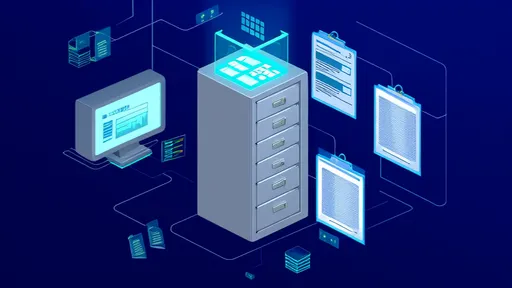
Compliance and auditing form another critical pillar of the security framework. Organizations in regulated industries such as finance, healthcare, or government must ensure that their development tools comply with standards like SOC 2, ISO 27001, GDPR, or HIPAA. WebIDE providers cater to this need by undergoing stringent audits and providing customers with detailed compliance reports. Furthermore, maintaining immutable audit logs of all user activity within the environment is essential. These logs, which record every command executed, file accessed, and external connection made, are invaluable for forensic analysis in the event of a security incident and for demonstrating compliance during audits.
Finally, the human element remains a crucial factor. The convenience of a WebIDE can sometimes lead to complacency. Developers must be trained to recognize phishing attempts that could steal their login credentials. They must also understand the shared responsibility model: while the provider secures the platform, the developer is responsible for writing secure code and managing secrets appropriately within their workspace. Hardcoded API keys or credentials in a codebase are a severe risk, whether the IDE is local or in the cloud. Providers can mitigate this with integrated secret management tools, but ultimate vigilance lies with the user.
In conclusion, the adoption of WebIDE-based cloud development environments is a powerful trend driven by undeniable productivity benefits. However, this shift moves the traditional security perimeter from the corporate network to a third-party service. The security of these platforms is a multifaceted challenge, encompassing robust access controls, unbreakable workspace isolation, end-to-end encryption, diligent software supply chain management, and comprehensive compliance adherence. Organizations must perform thorough due diligence, carefully evaluating potential providers against these stringent criteria. The future of development is in the cloud, but its success is fundamentally dependent on building that future upon a foundation of unwavering security.

By /Aug 26, 2025

By /Aug 26, 2025

By /Aug 26, 2025

By /Aug 26, 2025

By /Aug 26, 2025

By /Aug 26, 2025

By /Aug 26, 2025

By /Aug 26, 2025

By /Aug 26, 2025
By /Aug 26, 2025
By /Aug 26, 2025
By /Aug 26, 2025
By /Aug 26, 2025

By /Aug 26, 2025

By /Aug 26, 2025

By /Aug 26, 2025
By /Aug 26, 2025

By /Aug 26, 2025

By /Aug 26, 2025

By /Aug 26, 2025
