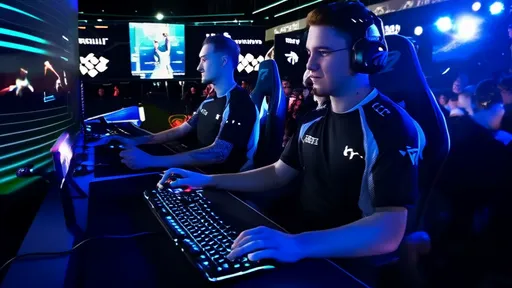
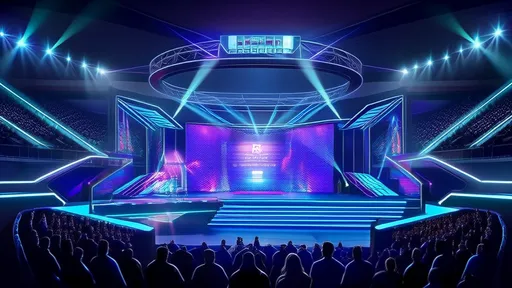
The world of esports has evolved from niche online streams to packed stadium events with millions of viewers, and at the heart of this transformation lies the esports caster. Once an informal role filled by passionate players, casting has matured into a professional discipline demanding a unique blend of game knowledge, articulate expression, and strategic career navigation. The journey to becoming a top-tier caster is no longer just about loving a game; it's about rigorous training and a deep understanding of the craft.
A caster's primary tool is their knowledge base, a deep and constantly updated reservoir of information. This goes far beyond knowing the rules or the names of characters and maps. The most respected casters possess an encyclopedic understanding of game mechanics, often able to predict strategic plays before they happen. They study patch notes religiously, understanding how the slightest tweak to a character's ability can shift the entire competitive meta. Their preparation involves meticulous research into teams and players, tracking their historical performances, signature strategies, and even their current form and mental state. This allows a caster to provide context that elevates a simple play-by-play call into a narrative. They can explain why a team is making a certain risky move, what a player's death means for the economy of the next round, or how a particular draft composition is designed to win. This depth transforms the viewing experience from passive watching into an engaging, educational spectacle.
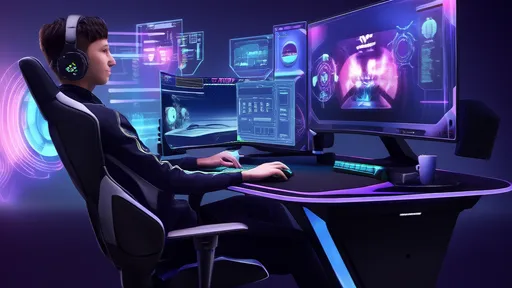
However, raw knowledge is useless if it cannot be communicated effectively. This is where the art of expression and delivery comes into play. Professional casting is a performance, a delicate dance between two often distinct roles: the play-by-play caster and the color caster. The play-by-play caster is the engine of the broadcast, providing the high-energy, rapid-fire narration of the action as it unfolds. Their voice is the soundtrack to the clutch moments, building hype and maintaining an unbreakable flow of clear, concise information. The color caster, meanwhile, is the strategic analyst. They operate in the pauses between the action, using their deep expertise to break down the complexities of a play, explain the deeper strategic implications, and offer predictions. Together, they create a dynamic and balanced commentary track. Beyond this partnership, technical skills are paramount. Vocal control—managing pitch, pace, and tone to build drama—is non-negotiable. Articulation ensures every word is understood even during the most chaotic team fights. Perhaps most importantly, casters must master the art of storytelling, weaving the individual moments of a match into a compelling narrative arc with heroes, villains, and stakes that keep the audience invested from the first minute to the last. The path to a professional casting career is rarely linear, but it is becoming more structured. The professional pathway often begins in the most humble of settings: casting from a bedroom setup for small online tournaments or creating analysis videos for a personal YouTube channel. This grassroots period is crucial for building a demo reel, a portfolio of work that showcases one's unique style and skill. Networking within the community—connecting with other casters, tournament organizers, and developers—is equally important. Breaking into the big leagues typically involves being noticed at these smaller events and earning opportunities with larger tournament organizers. Many now pursue more formal education in broadcasting, journalism, or communications to hone their technical skills. Furthermore, the modern esports caster is often a personal brand. Building a following on social media and streaming platforms like Twitch is no longer a side project; it's a central part of a caster's marketability, demonstrating their ability to engage and grow an audience independently. Looking ahead, the field of esports casting is poised for further evolution. As the industry globalizes, casters with multilingual abilities or a deep understanding of specific regional scenes will become increasingly valuable. The rise of new technologies like augmented reality (AR) and virtual reality (VR) may create entirely new formats for commentary and analysis. The line between caster and content creator will continue to blur, demanding a more versatile skill set than ever before. The core of the profession, however, will remain unchanged: the ability to translate the incredible skill and drama of competitive gaming into a story that resonates with millions. The professional development of casters—through a solidified knowledge system, refined expression skills, and a clear career path—ensures that the voices behind the games will continue to be as professional and captivating as the play they describe.
By /Aug 26, 2025
By /Aug 26, 2025
By /Aug 26, 2025
By /Aug 26, 2025
By /Aug 26, 2025
By /Aug 26, 2025

By /Aug 26, 2025
By /Aug 26, 2025
By /Aug 26, 2025
By /Aug 26, 2025

By /Aug 26, 2025
By /Aug 26, 2025

By /Aug 26, 2025
By /Aug 26, 2025
By /Aug 26, 2025

By /Aug 26, 2025
By /Aug 26, 2025

By /Aug 26, 2025
By /Aug 26, 2025
By /Aug 26, 2025
