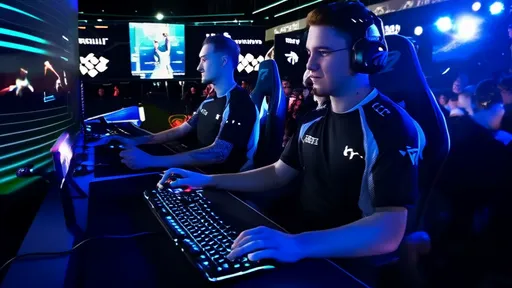
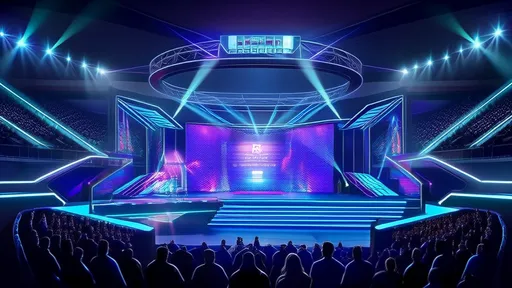
The roar of the crowd, the flash of LED screens, the intense focus of players bathed in spotlight—this is the modern esports arena on a match day. For cities around the globe, these venues have become new cultural landmarks, symbols of a booming digital economy. Yet, behind the spectacle lies a pressing business question: how does a physical esports arena, a venue inherently tied to the unpredictable schedules of competitive gaming, achieve sustainable profitability? The answer is evolving from a singular focus on match-day revenue to a multifaceted model of a 24/7 entertainment and commercial hub.
The most visible, yet often most volatile, revenue stream remains event hosting. This includes not only professional esports tournaments but also a growing calendar of adjacent events. While major leagues provide anchor dates, the real stability comes from diversifying the event portfolio. Arenas now host conventions for gaming hardware companies, content creator fan meet-and-greets, viewing parties for international tournaments, and even non-gaming events like concerts, comedy shows, and corporate conferences. The key is leveraging the venue's advanced AV infrastructure and flexible seating to attract a wider range of clients, ensuring the calendar is populated even during the off-season for premier esports leagues.
To transcend the limitations of an event-driven model, forward-thinking operators are aggressively developing non-event day revenue. This transforms the arena from a periodic destination into a daily community staple. A critical component is the integration of high-margin F&B (Food & Beverage) operations that operate independently of events. Many venues feature full-service restaurants and themed bars that are open to the public seven days a week. These are not simple concession stands but destination experiences in themselves, often with their own gaming stations or screens broadcasting esports, creating a perpetual sports-bar atmosphere that attracts gamers and non-gamers alike.
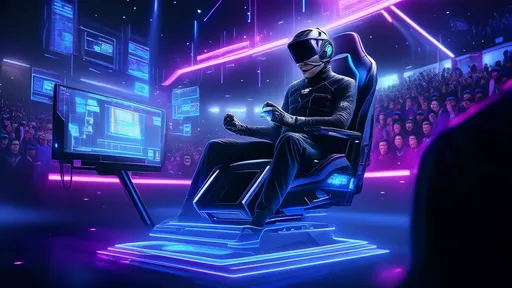
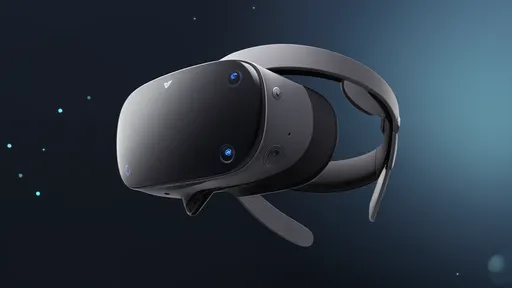
Beyond dining, the arena itself becomes a ticketed attraction. Operators have successfully implemented guided behind-the-scenes tours, allowing fans to walk through the player booths, sit in the analyst desk chairs, and visit the production control rooms. Furthermore, the installation of state-of-the-art VR (Virtual Reality) arcades and free-play gaming zones allows visitors to pay for playtime on premium equipment. This model, similar to a high-end entertainment center, generates consistent walk-in traffic and turns idle hours into productive revenue-generating periods.
The physical space of the arena is also a prime asset for commercial partnerships that extend far beyond traditional stadium signage. Premium branding integration is a major income source. This can include naming rights for the entire venue or for specific areas within it, such as the "Corsair Lounge" or the "Intel VR Experience." Partners seek deep integration, embedding their products and services into the fan experience. This could mean exclusive hardware partnerships where all PCs are provided by a specific brand, or telecom partners ensuring ultra-low-latency 5G connectivity throughout the venue, with branding prominently displayed at every touchpoint.
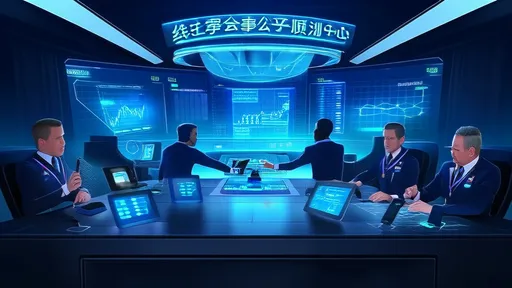
Perhaps the most significant shift in the sustainability model is the move towards becoming a content production studio. Modern esports arenas are equipped with broadcast-quality production facilities, control rooms, and fiber optic connectivity. This allows the venue to rent out its infrastructure to game publishers, tournament organizers, and media companies for producing not only live events but also pre-recorded content, shows, and podcasts. This creates a high-value B2B revenue stream, turning the arena into a service provider for the wider industry. By hosting other organizations' leagues and productions, the arena ensures its expensive equipment and technical staff are utilized continuously, amortizing costs and generating profit regardless of who is playing on stage.
Building a loyal community is no longer a soft metric; it is a direct revenue driver. A dedicated membership or season pass program creates a baseline of predictable income. These programs offer more than just early ticket access; they provide year-round value through discounts at the venue's retail and F&B outlets, exclusive member-only events, meet-and-greets, and digital content. This fosters a sense of ownership and belonging, encouraging repeat visits and spending even on non-event days. The community data gathered from these programs is also invaluable for targeted marketing and partnership proposals.
Finally, the digital realm offers a vast, often untapped, extension of the physical venue's profitability. Developing a robust digital strategy is paramount. This includes creating exclusive online content—such as behind-the-scenes documentaries, player interviews, and analysis shows—that can be monetized through a dedicated streaming channel or a premium subscription. Furthermore, the arena can leverage its brand to sell exclusive digital and physical merchandise online, reaching a global audience of fans who may never set foot in the physical location. This transforms the venue from a geographically constrained business into a global media brand.
In conclusion, the path to sustainable profitability for an esports arena is not reliant on a single silver bullet. It demands a strategic departure from the traditional sports stadium model. The successful modern esports venue is a chameleon: a world-class event space, a daily entertainment destination, a production studio, a community clubhouse, and a media company all rolled into one. By weaving together these diverse revenue threads—from premium experiences and commercial partnerships to content production and digital expansion—arena operators can build a resilient and profitable business model that thrives regardless of the match schedule, securing their place as profitable pillars of the esports ecosystem for years to come.
By /Aug 26, 2025
By /Aug 26, 2025

By /Aug 26, 2025
By /Aug 26, 2025
By /Aug 26, 2025
By /Aug 26, 2025

By /Aug 26, 2025
By /Aug 26, 2025

By /Aug 26, 2025
By /Aug 26, 2025

By /Aug 26, 2025
By /Aug 26, 2025
By /Aug 26, 2025
By /Aug 26, 2025
By /Aug 26, 2025

By /Aug 26, 2025

By /Aug 26, 2025
By /Aug 26, 2025
By /Aug 26, 2025

By /Aug 26, 2025
